What the partner's counsel needs to see in a record of the IP check
For people who run partnerships and licensing and hand a partner material made with AI: the record of the IP check that the other side's lawyer looks for, and what goes in it.
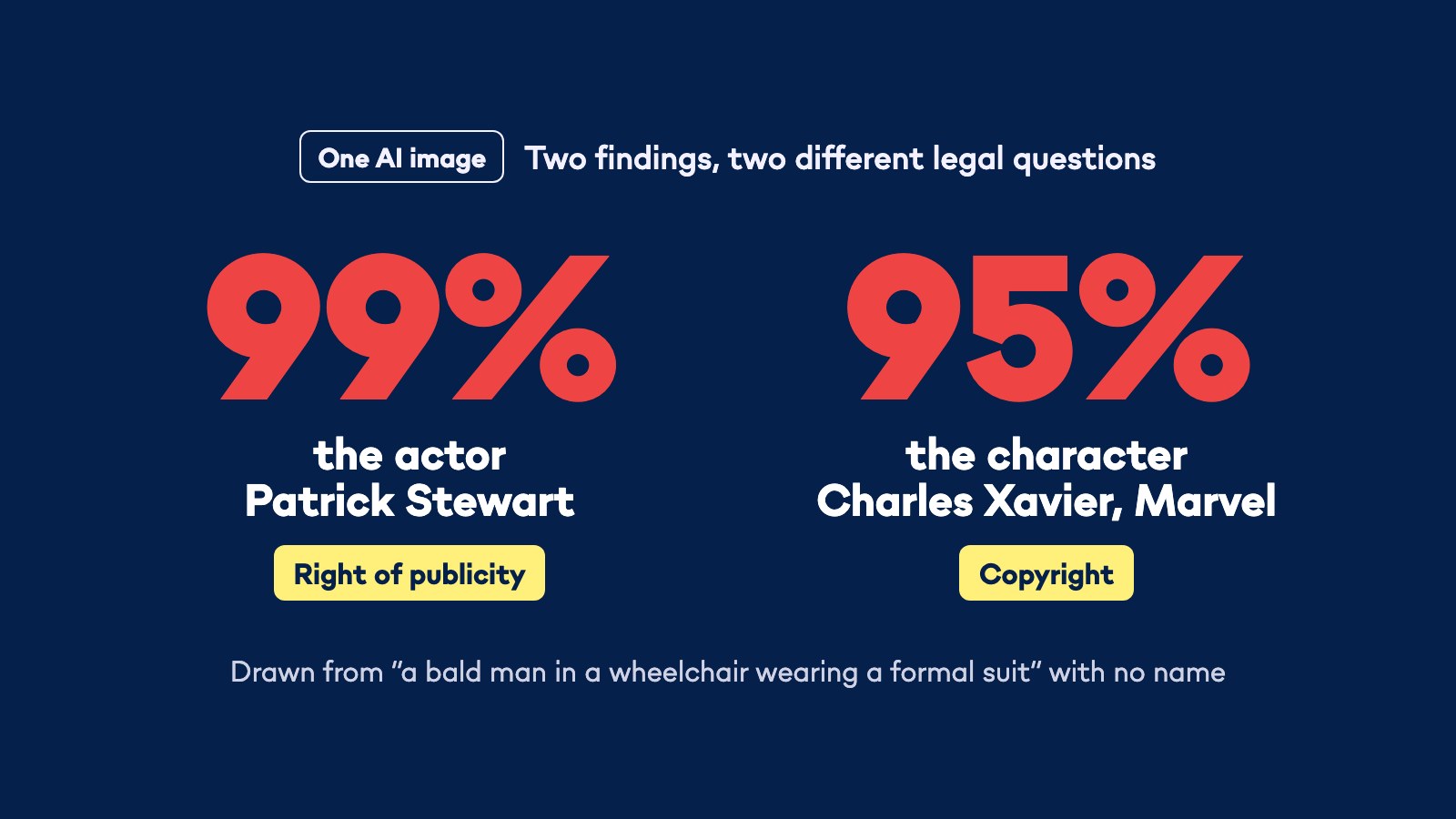
A card built from one IP Risk Index check of GPT Image 2.5 Sunburst, October 22, 2026. The prompt named no one. The card itself is not AI-generated.
The partner's counsel looks for a record of the check in three parts: which file was checked and when, what the check found in it, and what a person on your team decided about each finding, and why. They ask for it when you hand over AI-generated material.
Why the partner's counsel asks
A generative model can draw a recognizable character even when the prompt never names it. In our own test, Seedream 5.0 Pro refused every request that named a character, then drew the character on 7 of 40 requests that only hinted at it.
Refused every request that named the character.
Drew it on 7 of 40 hints.
Seedream 5.0 Pro in CopySight's own test
If a frame like that ships in the partner's campaign, the problem lands on the partner too. So before the contract is signed, or before the material goes out, the partner's counsel asks how you checked it for other people's characters, logos and faces.
We covered why that question often holds up the deal in The term sheet waits on the AI copyright answer. This article is about the document that answers it.
Why a screenshot of the result is not enough
Counsel works with documents they can come back to a month or a year later. If a claim arrives, they need to reconstruct which file was checked, what was found and who decided to ship it. A screenshot with a green checkmark answers none of that.
In late October, lawyers at one studio looked at screenshots of check results and reached the same conclusion. In their view, a screenshot with a checkmark is not evidence for a professional production. A "safe" label reads as a final legal verdict, while infringement depends on context and one similarity score can't establish it.
They asked for a report that shows which file was checked, when, and what was found, with the findings kept apart from any legal conclusion. Those requests add up to a record in three parts: the file, the findings and the decision.
1. The file
Which file was checked, its hash, when, by whom and in which tool.
2. The findings
What the check found, who owns it, how close it is and where it sits in the frame.
3. The decision
Who decided what to do with each finding, and why.
Not in the record
A verdict from the tool. A score shows similarity. Counsel decides on infringement.
Part one: which file was checked, and when
Material changes until the last day. A cut gets re-edited, an image gets retouched. Counsel needs to know the check covered the exact version you are handing over.
So the record gives the file name and its hash. A hash is a file's digital fingerprint: a string of letters and numbers that a computer calculates from the file's contents. Change a single pixel and the string changes. Your team calculates it with any standard SHA-256 tool and names the algorithm in the record. Counsel calculates the hash of the file they received, compares the two and sees that it is the same file.
Next to it go the date and time of the check, who ran it and in which tool. If the file was checked more than once, the record keeps every check and marks the one the decision rests on.
Part two: what the check found
The check finds what goes in this part, and your team copies the findings from the result screen into the record. For each match, CopySight shows what it found and what kind of thing it is: a trademark, a recognizable brand design, a character, a celebrity or a work of art. It also shows the author and the rights holder, a similarity score and where the match sits in the frame. For video, it shows the frames where matches appear.
Counsel cares that a finding has a name, because what the frame resembles decides which legal question comes up. I walked through an example on The Magnifier podcast on October 28. A photo of the actor Jon Hamm comes back as Jon Hamm. An AI image of Hamm as his character comes back as Hamm and as Don Draper from Mad Men at the same time.
For counsel, those are two separate questions. The actor's face raises a right of publicity question: the right to control commercial use of one's name and likeness. The character raises a copyright question about the show.
Our public IP Risk Index shows what such findings look like. On October 22, the index asked its image models for "a bald man in a wheelchair wearing a formal suit with a calm and commanding expression," with no name in the prompt. The slides show what the check found in four of the images. The index notes that its scores measure visual similarity, not legal infringement.
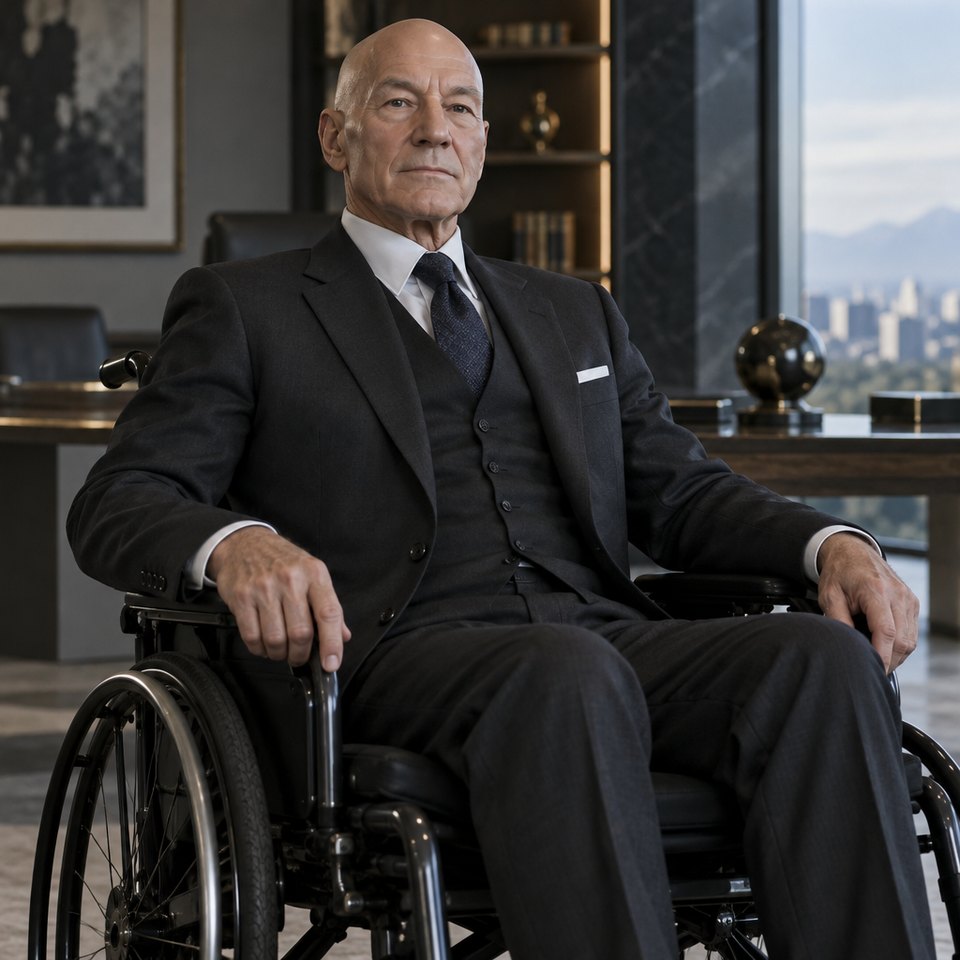
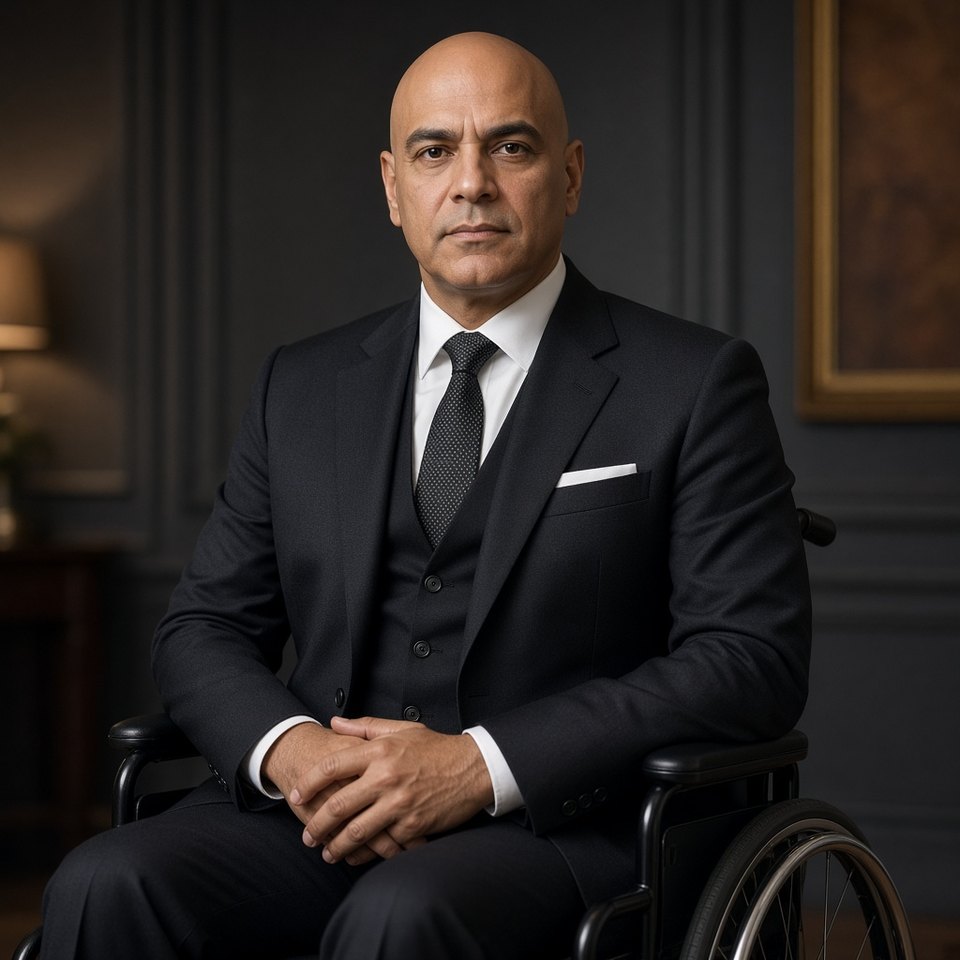
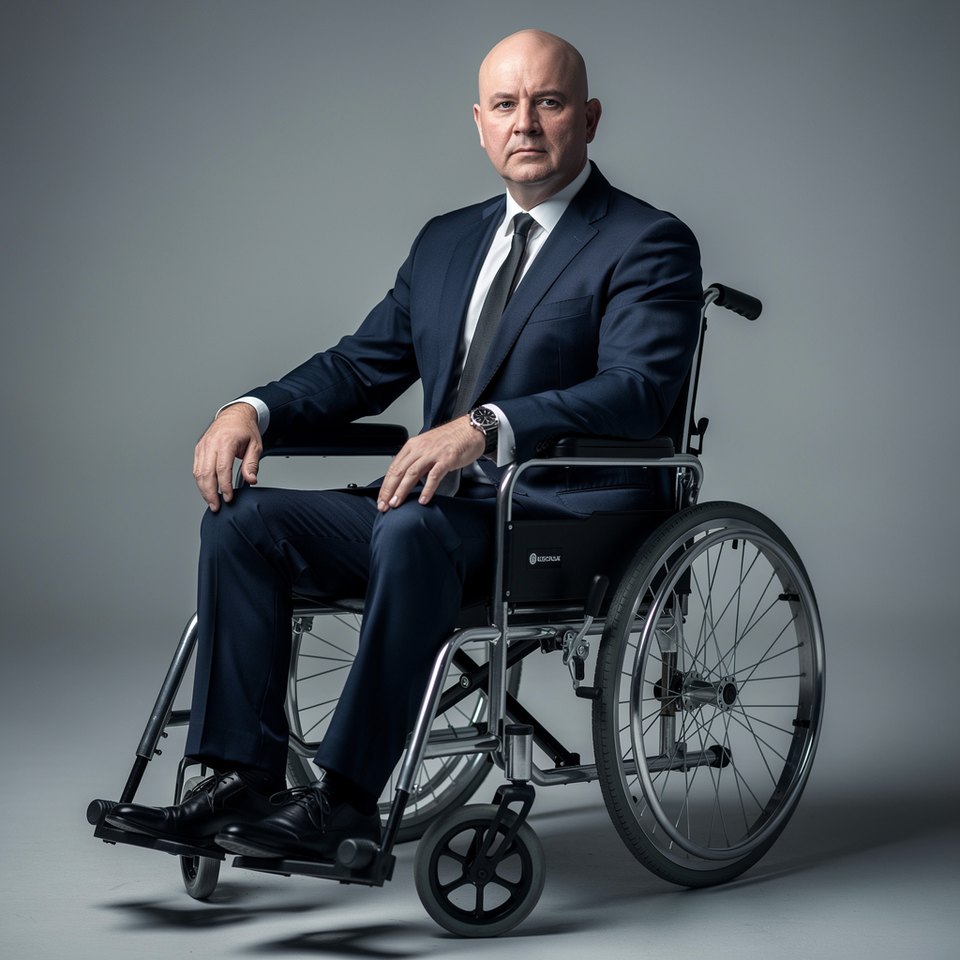
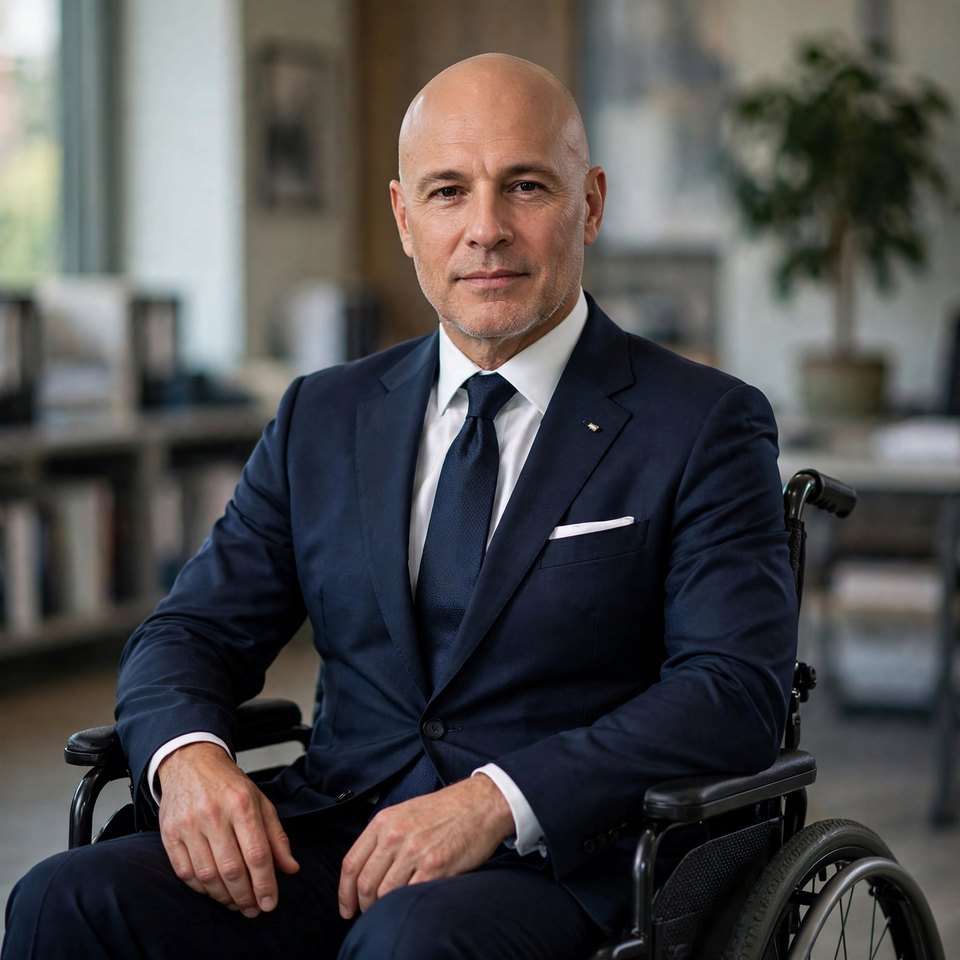
A similarity score shows how close a frame is to a known work. It doesn't say whether there is infringement. A low score doesn't make a frame clean, and a high score doesn't mean infringement. Counsel decides that, and the decision goes into part three.
Part three: what a person decided
Your team fills in this part. The partner's counsel relies on a decision made by a specific person. So for each finding, the record shows who reviewed it, with name and title, what they decided and why.
The decision is usually one of four: ship as is, change the frame, get a license or cut the frame. The reason goes in plain words. For example: there is already a license for the character; the character is in the public domain; only the style matched, and style on its own is generally not protected by copyright.
If your counsel thinks a finding is a mistake by the check, they write that down and explain why. The finding stays in the record, so the partner's counsel can see it was noticed and reviewed.
The reason matters most. A record that says "found a match, shipped it" with no explanation can be read in a dispute as willful infringement. We covered this in AI law myths: owning AI output does not protect you from a lawsuit.
Why counsel trusts an outside check more
The partner's counsel finds it easier to trust findings from an independent check. The record comes from the other side of the deal, and the team that made the material wants it shipped. As I said in that Magnifier episode, most companies can't police their own content: they lack the technical means, and they have a conflict of interest.
Warsaw Glitch checked every nominated film with CopySight before its awards, and wrote that a score should not decide whether a film is good. We covered that in AI content takes hours to make, weeks to clear rights.
Who fills in which part of the record
Your team writes
The file name and its hash, so counsel can confirm the check covered the file being handed over. The date and time of the check, who ran it and in which tool. For each finding: who decided, what, why and when.
From the check result
What was found and what kind of thing it is, so counsel sees which legal question comes up. The author and the rights holder, so counsel knows whom to ask for a license. The similarity score and the place in the frame.
What to do before the material goes to the partner
Building the record ahead of time is easier than reconstructing it when counsel asks. List the files that will go to the partner, and write down the name, hash and date for each. Check every file before the first draft of the contract and copy the findings into the record.
Then ask the person responsible to write down a decision and a reason for each finding. Send the record with the material, before anyone asks for it.
You can start with one file that will definitely go to the partner: create a CopySight account and see what the check finds.
Artem Petrov is co-founder and CEO of CopySight. At Warsaw Glitch 2026 he gave a keynote and spoke on two panels.
This is not legal advice.
The images in the slides were generated by the AI models that the IP Risk Index tests. Data checked November 2, 2026.
Score a generation before it ships
CopySight checks an AI-generated image against known characters, faces and brands, and returns a similarity score with the matches behind it.
One long-form a week
We publish one article a week on how AI copyright risk actually works and what teams do about it. Leave an email and each one arrives the day it goes up.