AI content takes hours to make, weeks to clear rights
At the Warsaw Glitch festival, every room I spoke in asked the same question: who owns this? Right now, answering it takes longer than generating the work. And finding the answer is now production's job, not only legal's.
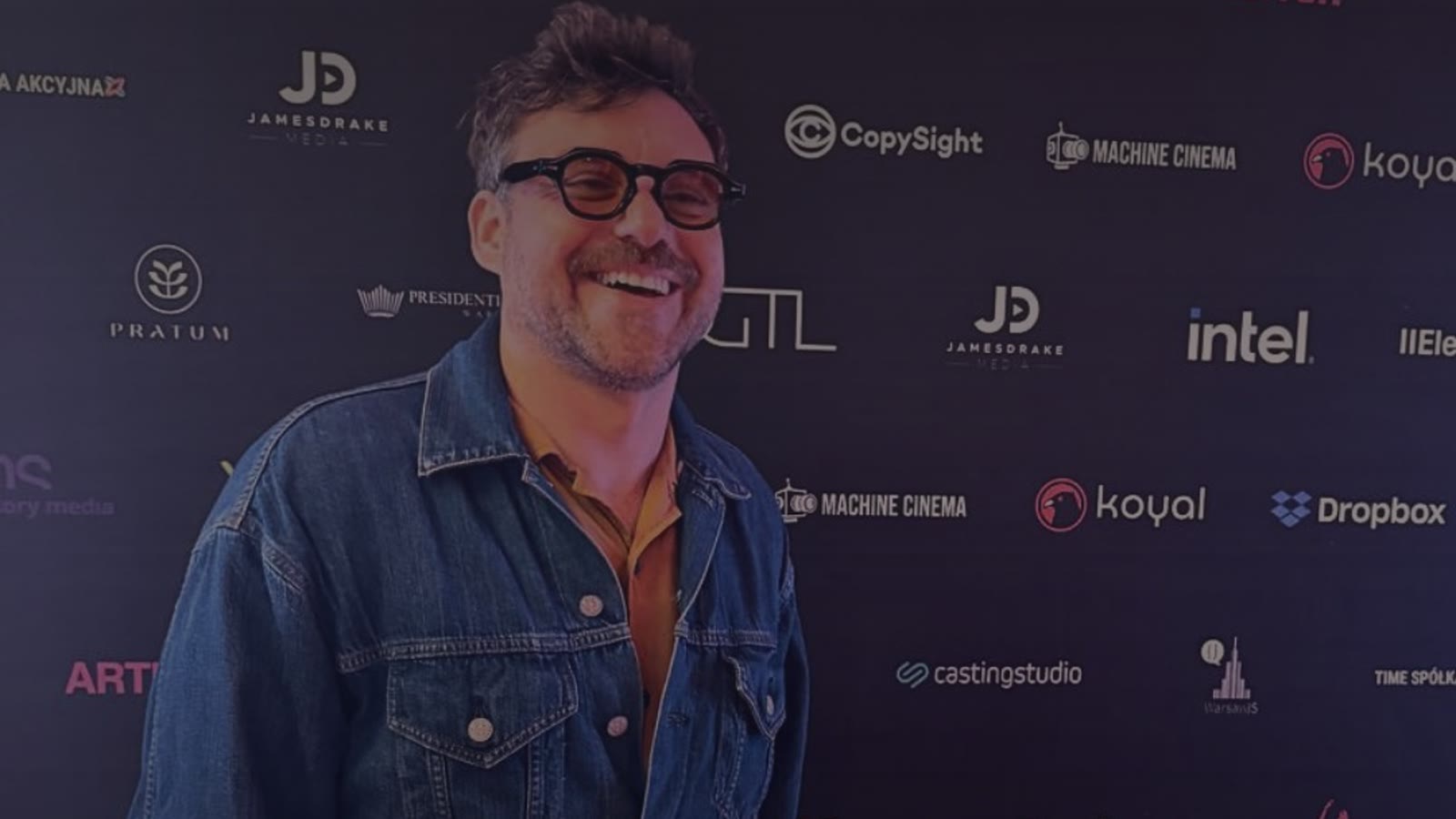
Here's a typical case. The footage takes a day to generate. A week before release, the distributor's lawyer opens the file and finds another company's logo on the main character's jacket. The prompt didn't name any brands.
In my experience, generation takes hours and clearing the rights takes weeks. As long as rights review sits at the end of the schedule and lands on legal's desk, what slows AI production down is that review, not the model. The bottleneck moved. The schedule didn't.
In a sample of 53,000 CopySight checks, 34.7% of assets came back with a high match to a trademark, character, celebrity, design or artwork. It's cheapest to catch that inside the team, on the day the asset is generated.
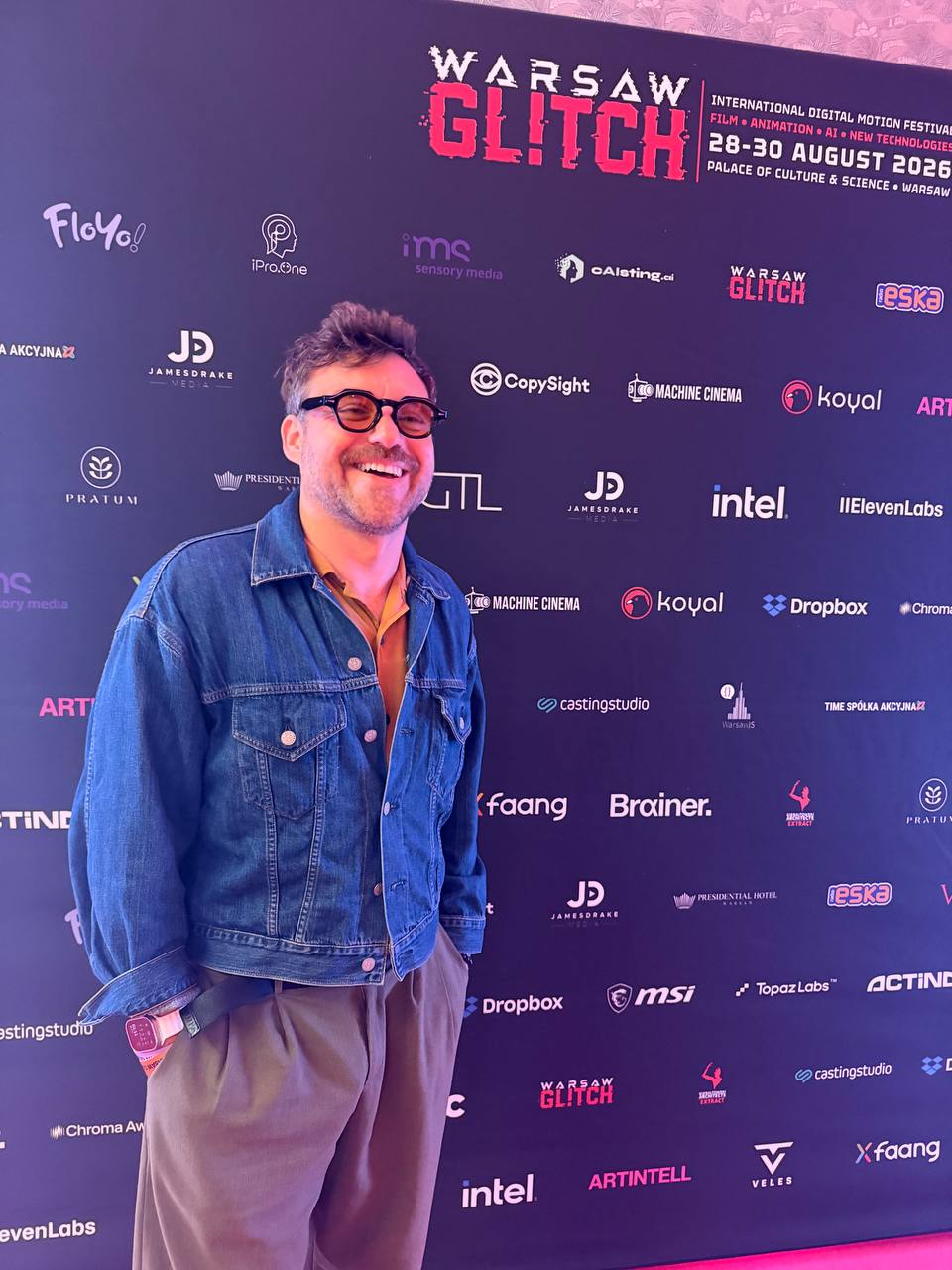
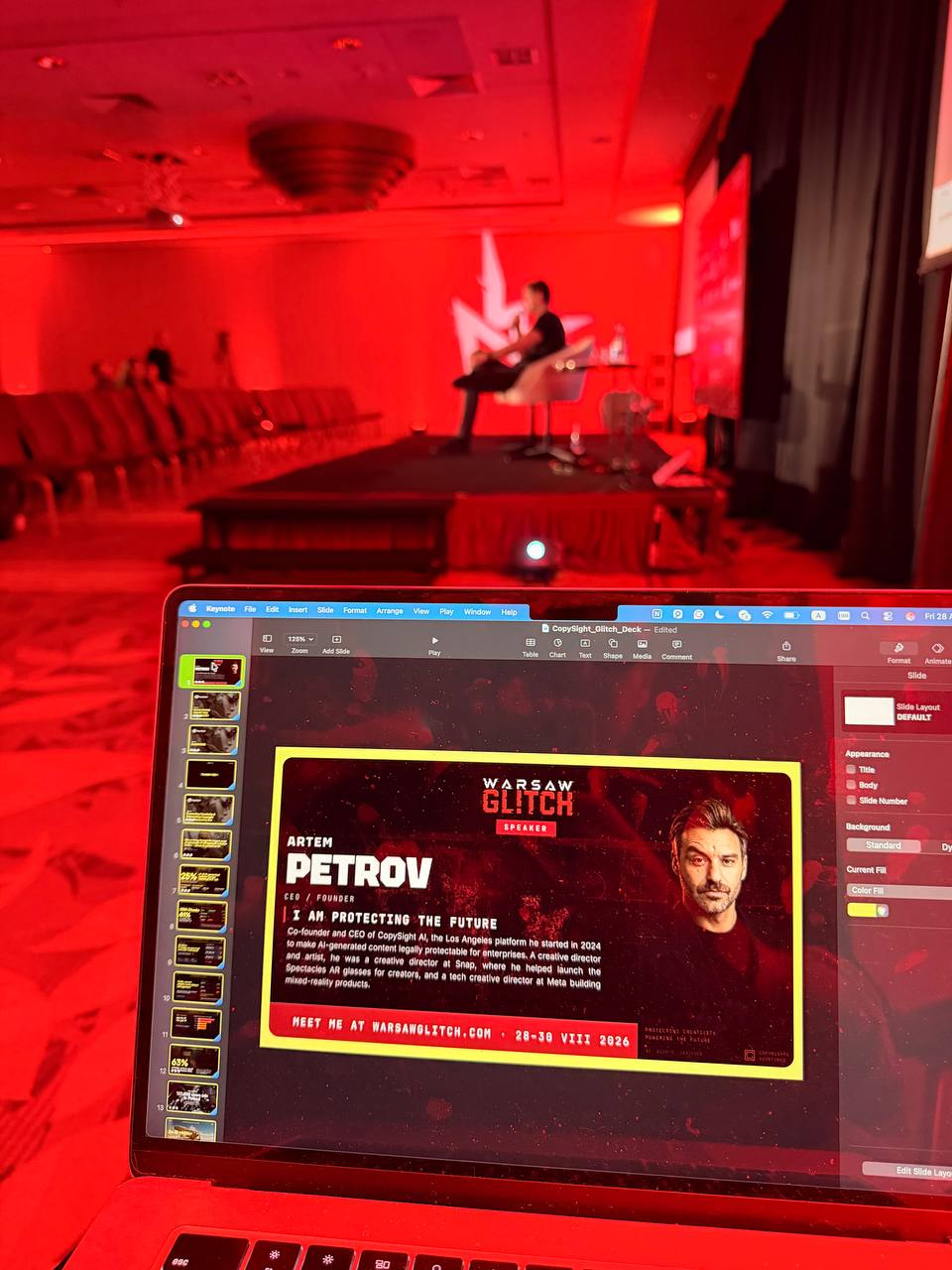
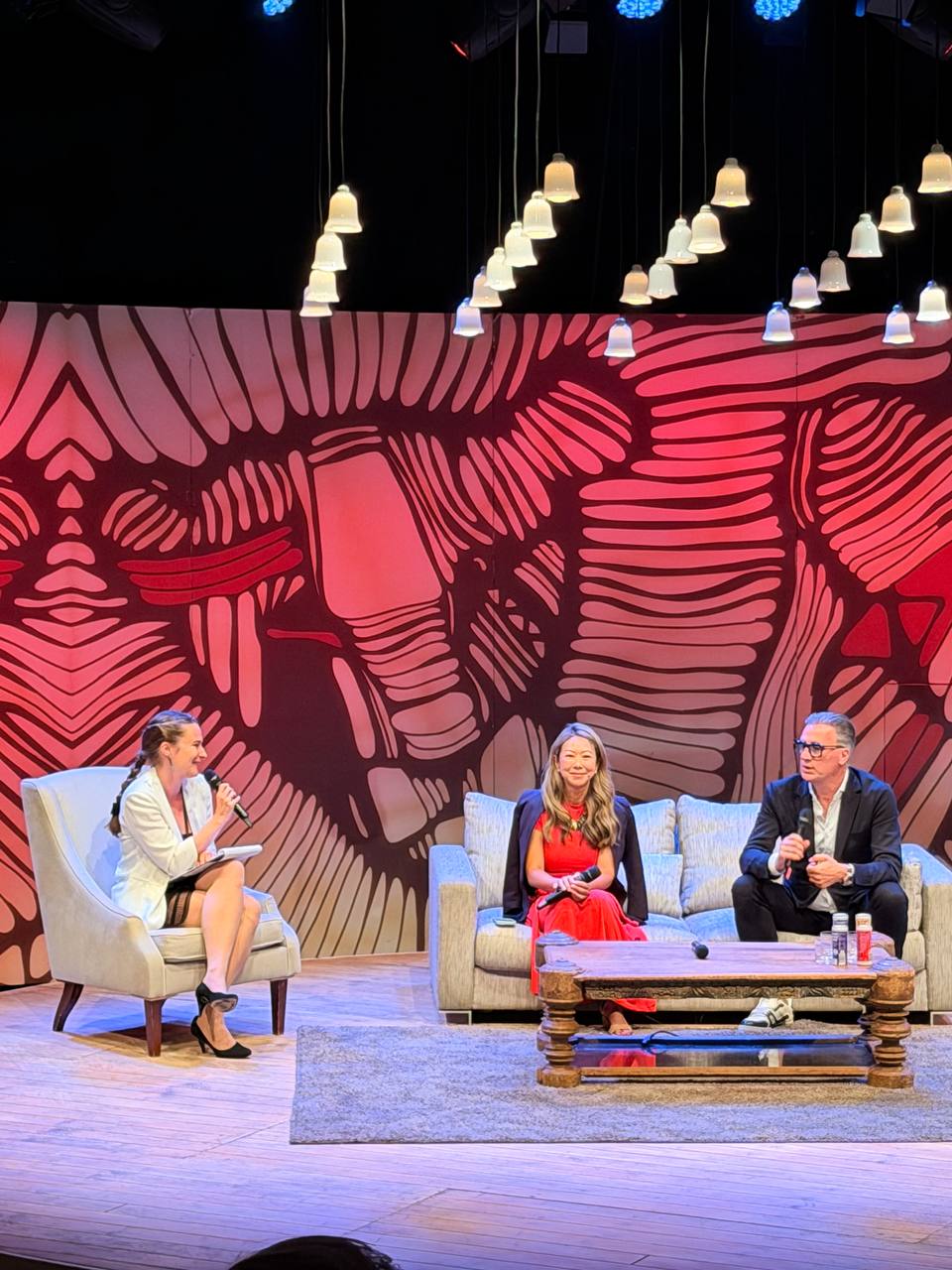
"Who owns this?" came up at Warsaw Glitch, a festival held in Warsaw on August 28–30, 2026. According to the organizers, the first edition drew more than 1,400 attendees and more than 120 speakers.
The people asking who owns it already ship AI work
What stayed with me was who asked the questions: people who already ship generated work. They didn't ask whether it's legal. They asked what happens when a lawyer opens the file.
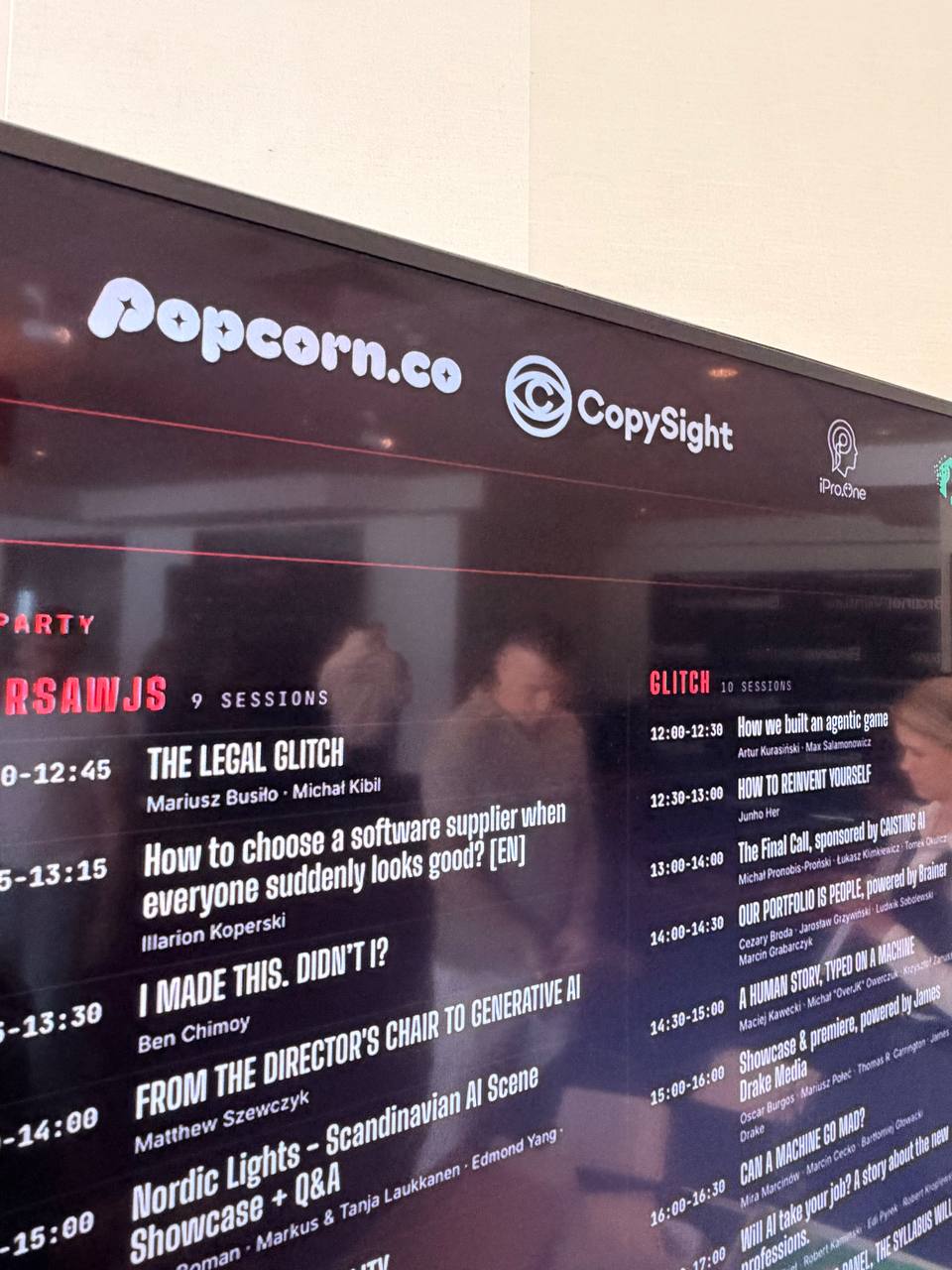
I spoke three times in two days. On Friday, August 28, I gave the keynote "Who owns what you generate?" On Saturday, August 29, I spoke on two panels: "Who owns your face? Who owns your voice?" and "The law doesn't exist yet." The program for all three sessions is on my speaker page.
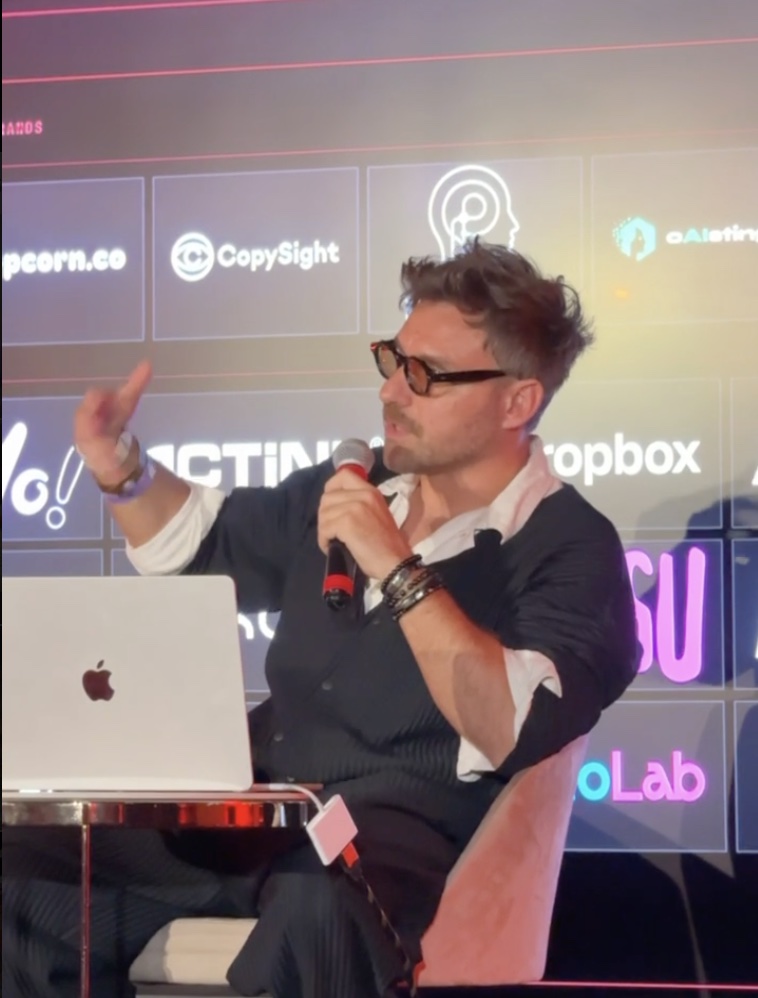
On August 31, after Warsaw, we summed it up at CopySight in one line: "Copyright is the new business hygiene." It stopped being a problem for the legal department and became a production problem. Hygiene means routine: check every asset before delivery instead of dealing with the fallout after a claim.
What does a rights check find in AI-generated content?
In the same sample of 53,000 checks, three out of four matches are not characters. People rarely ask for logos or familiar faces on purpose, but a lawyer or distributor spots them in the frame before anything else. In practice, that means a logo on a jacket, a product silhouette on a table, a face that looks like a real person's.
We call a match high when similarity is 0.90 or above. Of all assets checked, 18.2% carry two or more separate matches, so fixing one doesn't clear the frame.
The sample holds 38,127 matches. Here's how they break down:
- Trademarks: 34.8%
- Characters: 24.5%
- Brand and iconic designs: 20.5%
- Celebrities and famous people: 14.3%
- Art and artists: 5.9%
Source: a CopySight sample of 53,000 checks. The split by risk level for this sample is in Where AI infringement actually starts: the model, not the prompt.
A face appears in 57.5% of checked assets. Every one of those frames raises the question from one of the Warsaw panels: who owns this face?
The prompt doesn't have to name anything. A neutral prompt with no brand in it returned an image that matched Moleskine at 0.95 similarity.
The takeaway for a production schedule: matches are routine. The only question is when they get found. The further from the moment of generation, the more the fix costs.
Warsaw Glitch now checks nominated films before its awards: whoever accepts the work has started checking it
Warsaw Glitch, where CopySight was a partner, announced on September 18, 2026, that it had added a check to its awards process: every nominated film was checked with CopySight tools before the awards were finalized. In the festival's words: "From now on, this becomes a permanent part of how Warsaw Glitch operates."
For a studio, the point is this: whoever accepts the work is starting to check it, and making it a standing rule. Today it's a festival. I expect distributors and clients to be next. If the only check happens on the receiving end, the studio is the last to learn about another company's logo in its own frame.
This directly affects agencies that deliver generated work to clients. On August 31, we also put the rule this way: "If you're shipping generated work to anyone who pays you, you need to know what's in the frame before they do."
How many assets will go through your team on the next project? How many of them will anyone look at before release? If output keeps growing and frames are still reviewed by hand, the gap between those two numbers widens. Whatever nobody looked at gets checked by someone else, on their end and on their schedule.
Who checks AI content, and when?
My answer: the team that generated the asset, on the same day. Lawyers still decide who owns a frame. The production question is who checks the frame, and when. What the U.S. Copyright Office says about owning AI output is a separate post.
The old way: check afterward. The people checking weren't there when the frame was made, and they work on a timeline nobody planned for. By then the footage is cut and the client has signed off, so a match found at that point no longer gets regenerated. It gets negotiated. That's not a knock on lawyers: the file reaches them at the end, and they can't see it any sooner.
The new way: check where the frame is made, not where the contract is signed. A high match found on the day of generation costs one regeneration. The same match three days before release, or after it, costs a negotiation.
The lawyer stays involved. They get a record of what was found and what was fixed, not raw footage a week before release. The team keeps that record as it works, so when a question comes up, nobody has to reconstruct decisions after the fact.
On the schedule, that's one new line right after generation, with its own owner. In my experience, that line is missing almost everywhere. Who owns that step on your team? I think it belongs to production: it's production's deadline and production's risk, just like render times and the quality of takes.
What to check before your next release
Take your last release or your last client delivery. Before it went out, who checked the frames for third-party logos, real people's faces and product shapes? If nobody did, or the lawyer did after signing, your bottleneck is at the end of the schedule.
Treat a high match like a bad take: you redo it in the same session instead of explaining it later. A match is a reason to look at the frame closely, not a legal opinion. The rights call stays with the lawyer.
For how third-party material ends up in a frame when the prompt named nothing, see Where AI infringement actually starts: the model, not the prompt. I covered the legal side of the same shift in Copyright works after the fact. AI doesn't wait.
If you want to see what a check finds in your own work, send us a typical week of generated output, and we'll send back a report on every file.
Artem Petrov is co-founder and CEO of CopySight. At Warsaw Glitch 2026, he gave a keynote and spoke on two panels.
Score a generation before it ships
CopySight checks an AI-generated image against known characters, faces and brands, and returns a similarity score with the matches behind it.
One long-form a week
We publish one article a week on how AI copyright risk actually works and what teams do about it. Leave an email and each one arrives the day it goes up.